

laminated glass burglar proof
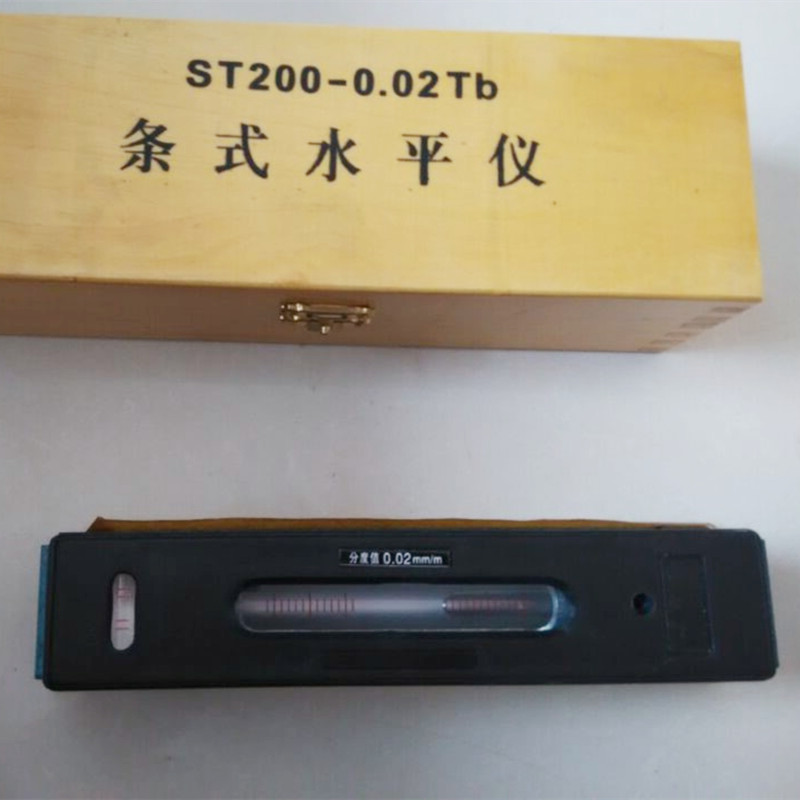
Understanding the Micrometer Standard Set A Comprehensive Guide In the world of precision measurement, the micrometer standard set stands as a critical tool for engineers, machinists, and hobbyists alike. This set is essential for obtaining high levels of accuracy and precision in measuring small dimensions. Whether you are working in a manufacturing plant, a laboratory, or a DIY workshop, understanding the micrometer standard set can significantly enhance your measurement capabilities. What is a Micrometer? A micrometer, often referred to as a micrometer screw gauge, is a tool that measures small distances with great accuracy. It consists of a calibrated screw mechanism, which allows users to measure thicknesses, diameters, and lengths of objects with precision down to the micrometer scale — one millionth of a meter. Components of a Micrometer Standard Set A typical micrometer standard set includes several key components 1. Micrometer Tools The main measuring devices, often available in various forms including external micrometers for measuring outside dimensions, internal micrometers for inside dimensions, and depth micrometers for measuring depths. 2. Standard Calibration Blocks These blocks are used to calibrate the micrometers. They provide a known reference to ensure that the measurements taken are accurate. Calibration blocks are typically made from high-quality materials to maintain their dimensions over time. 3. Toolbox or Case A sturdy case is necessary for storing the micrometers and calibration blocks safely. It protects the tools from damage and contamination, ensuring they remain accurate throughout their usage. 4. Instruction Manual Many micrometer standard sets come with an instruction manual that includes guidance on how to properly use the tools, calibrate them using the blocks, and maintain them for long-lasting performance. Importance of Calibration Calibration is crucial in the use of a micrometer standard set. Over time and with extended use, micrometers can develop inaccuracies caused by wear and tear, temperature changes, or physical impacts. Regular calibration with standard blocks ensures that the micrometer gives precise readings. Calibration should be performed regularly, especially when tools are first obtained, after being used extensively, or when measurements begin to appear inconsistent. Proper care during calibration will prolong the life of the micrometer and maintain its accuracy. Application in Various Fields micrometer standard set Micrometer standard sets find applications across various fields - Manufacturing In industries where precision machining is essential, such as aerospace or automotive, micrometers are used to ensure components meet stringent specifications. - Quality Control Quality assurance teams utilize micrometers to verify that products conform to the required dimensions, crucial for maintaining standards in production. - Engineering and Design Engineers rely on micrometer measurements during the design phase to create parts that fit perfectly together, especially in assemblies that require tight tolerances. - Hobbies For hobbyists working on model-making, woodwork, or metal fabrication, micrometers aid in achieving accurate dimensions that improve overall project quality. Best Practices for Using Micrometer Standard Sets To get the most out of your micrometer standard set, follow these best practices 1. Handle with Care Always handle the micrometers delicately. Avoid dropping or subjecting them to excessive force, which could misalign the measuring mechanisms. 2. Keep Clean Regularly clean the measuring surfaces to prevent dust and debris from affecting the measurement accuracy. 3. Store Properly Store micrometers in their protective case to avoid damage from environmental elements and mechanical stress. 4. Follow Calibration Procedures Adhere to the calibration procedures outlined in the instruction manual to ensure accurate measurements. Conclusion The micrometer standard set is an indispensable asset for anyone engaged in precision measurement. Understanding its components, the importance of calibration, and best practices ensures that users can leverage these tools effectively across various applications. Whether in a professional setting or for personal projects, investing in a high-quality micrometer standard set not only improves accuracy but also enhances the quality of work produced, making it an essential tool in the precision measurement toolkit.
about
laminated glass burglar proof
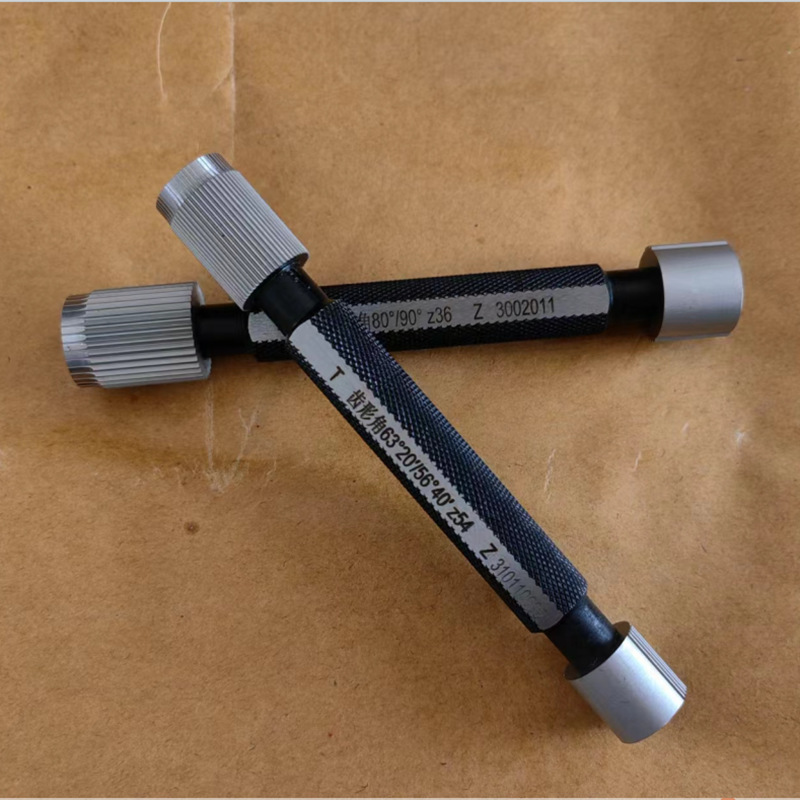
The Evolution and Importance of Snap Gauge Manufacturers in Precision Measurement In the realm of manufacturing and quality control, precision measurement is paramount. This is where snap gauges come into play. Snap gauges, a type of mechanical gauge, are designed to check dimensions and ensure that components fit within specified tolerances. As industries continue to advance, the role of snap gauge manufacturers has evolved to meet the demands of modern production environments. Snap gauges operate on a simple principle they snap into place around a component to measure its dimensions quickly and accurately. They are widely used for gauging the external and internal features of objects, such as diameters, lengths, and heights. Unlike other measuring instruments, snap gauges provide instant feedback, making them highly efficient for high-volume manufacturing. The Role of Snap Gauge Manufacturers Manufacturers of snap gauges face the significant responsibility of producing measuring tools that ensure quality and consistency in various industries, including automotive, aerospace, and electronics. Precision is key; even the smallest deviation in dimensions can lead to significant faults in the final product. Hence, snap gauge manufacturers invest in cutting-edge technology and innovative designs to create highly accurate instruments that cater to diverse measurement needs. Innovations in Snap Gauge Manufacturing In recent years, snap gauge manufacturers have embraced advancements in technology. The incorporation of computer-aided design (CAD) software allows for greater precision in the gauges’ dimensions and features. Moreover, many manufacturers are utilizing smart technologies, such as digital displays and wireless connectivity, to enhance the functionality of snap gauges. These innovations make it easier for operators to read measurements and integrate the gauges into automated inspection processes. Furthermore, materials used in manufacturing snap gauges have also evolved. Modern materials not only ensure durability but also reduce the weight of the gauges, making them easier to handle and manipulate. This is particularly crucial for operators who need to use snap gauges frequently in a dynamic manufacturing environment. snap gauges manufacturer Quality Assurance and Certification To ensure the reliability of their products, snap gauge manufacturers adhere to stringent quality assurance standards. Many manufacturers seek certifications such as ISO 9001, which signifies their commitment to quality management systems and continual improvement. By complying with these standards, manufacturers can guarantee that their snap gauges meet the specific requirements of their customers, thereby enhancing their reputation in the market. The Future of Snap Gauges As industries embrace automation and smart manufacturing, the future of snap gauges is intertwined with advancements in Industry 4.0. Manufacturers are pushing the boundaries of traditional measurement techniques to create gauges that not only measure but also provide analytical data insights. This smart integration allows manufacturers to monitor production lines in real time, reducing wasted time and resources while ensuring that products meet quality standards. The demand for specialized snap gauges is also on the rise, as different industries require specific measurements. This trend has prompted manufacturers to develop custom solutions tailored to the unique needs of their clients, further solidifying the role of snap gauges in modern manufacturing. Conclusion In conclusion, snap gauge manufacturers play a crucial role in maintaining the quality and precision of products in various industries. With continuous innovations and advancements, they are adapting to the changing landscape of manufacturing and quality assurance. By embracing technology and focusing on quality, snap gauge manufacturers are not only ensuring accuracy in measurements but also contributing significantly to the overall efficiency and effectiveness of the manufacturing process. As industry needs evolve, so will the capabilities of snap gauges, making them indispensable tools in the quest for perfection in production.
-

High quality industrial productsagement

High quality industrial products
View Details -

Meet the diverse needs of customers

Meet the diverse needs of customers
View Details -

Strict quality control

Strict quality control
View Details -

Top raw materials

Top raw materials
View Details -

Trusted supplier

Trusted supplier
View Details
Our application


news and information
Válvula de retención 8an y su importancia en sistemas hidráulicos.
8an check valve .

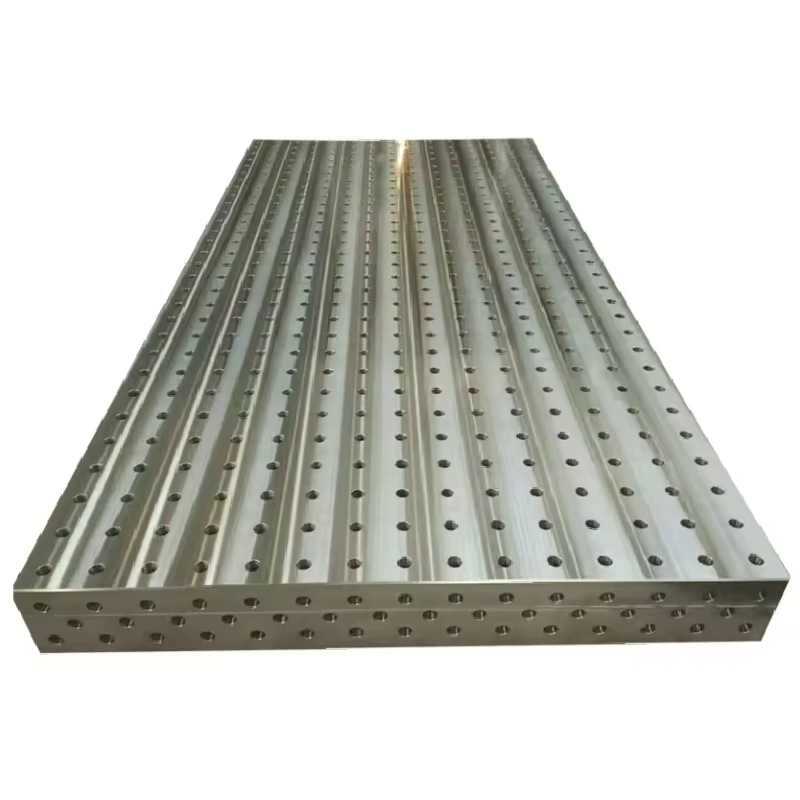
Versatile 3D Welding Table for Enhanced Fabrication and Precision Work
The Importance and Advantages of 3D Welding Tables in Modern Fabrication In the world of metal fabri
Vanne d'arrêt de 4 pouces
Vanne à Globe de 4 Pouces Caractéristiques et Applications Les vannes à globe sont des éléments ess
 English